


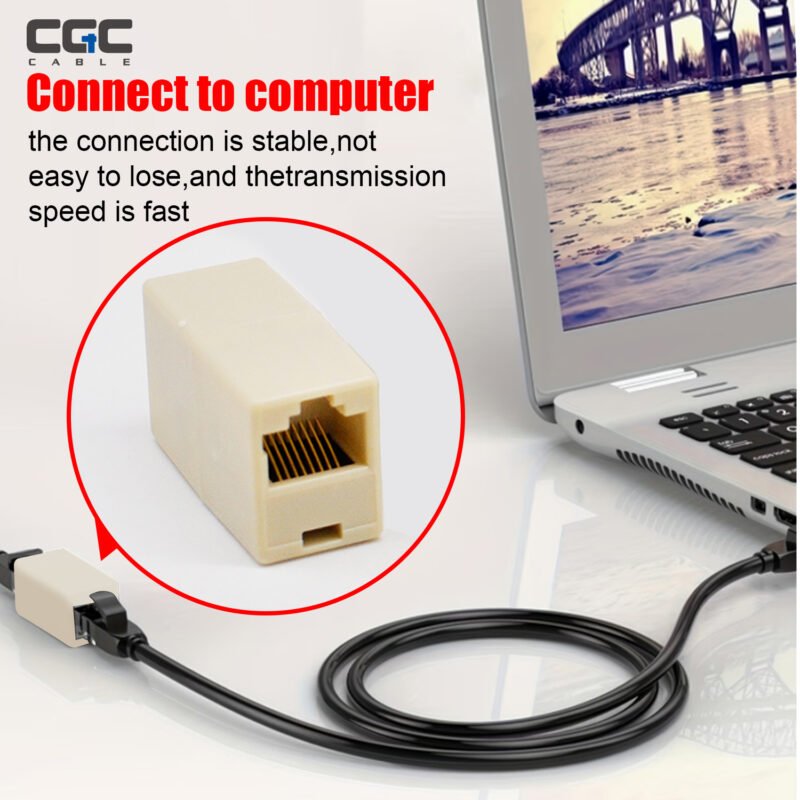
| An Ethernet coupler is a female-to-female adapter that joins two cables. It seems too simple to cause trouble, but it can. 📡 What a coupler does: It passes all eight pins straight through, extending a cable run. In theory a single coupler adds only about 0.5dB of loss — negligible. In practice, the internal pin alignment decides whether your gigabit link stays at gigabit or negotiates down. ⚠️ The failure mode: If one of the eight pins is slightly recessed or misaligned, that pin loses contact. Ethernet does not gracefully degrade — one bad pin, and the whole link fails or drops to 100Mbps. This is why cheap couplers have such inconsistent reviews. 🔍 Daisy-chaining limits: One coupler is almost always fine. Two in the same run doubles the loss and the odds of a bad pin. Three or more will almost certainly cause trouble. Need more length? Run a new cable. 🛡️ Shielded vs unshielded: If your run uses shielded (STP) cable, use shielded couplers to preserve ground continuity. An unshielded coupler on a shielded run turns the shield into an antenna instead of a shield. 🛒 Keep a few couplers in the toolkit, and test the link speed after installing one — it either works at full speed or it does not. 🔗 CGCCable stocks 5-piece Ethernet couplers with straight-through pin alignment — a quick fix for cables that are just a bit short. 👉 BUY NOW:https://cgccable.com/product/ethernet-coupler-33283 #CGCCable #ethernet #networking #LAN #ITtools #RJ45 |
Related posts
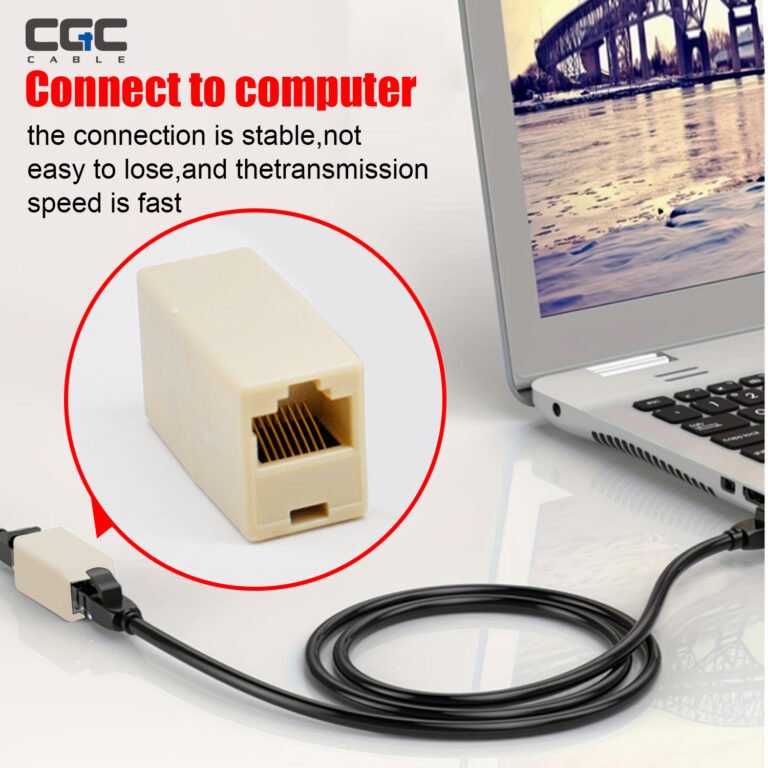
Ethernet Couplers: When They Work — and When They Cause Problems
An Ethernet coupler is a female-to-female adapter that joins two cables. It seems too simple to cause trouble, but it can.📡 What a coup...
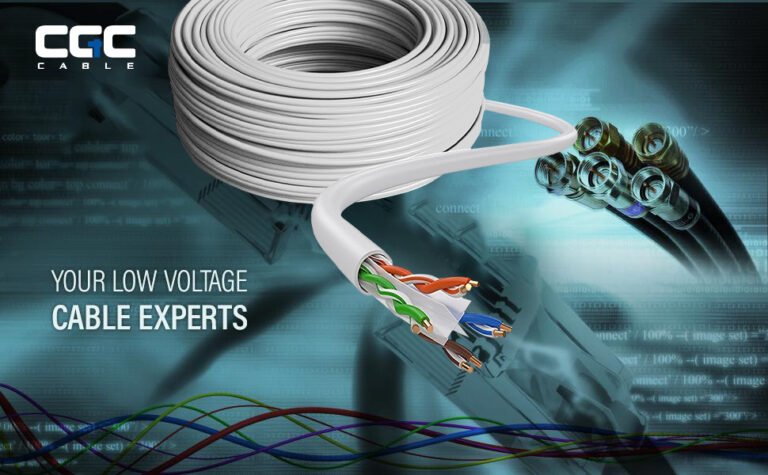
Bulk Cat5 Ethernet Cable: Solid Core, Custom Lengths, and the CCA Caveat
Bulk Ethernet cable without connectors seems inconvenient — until you need a 12-foot run and only have a 25-foot cable.🌐 Why bulk cable...
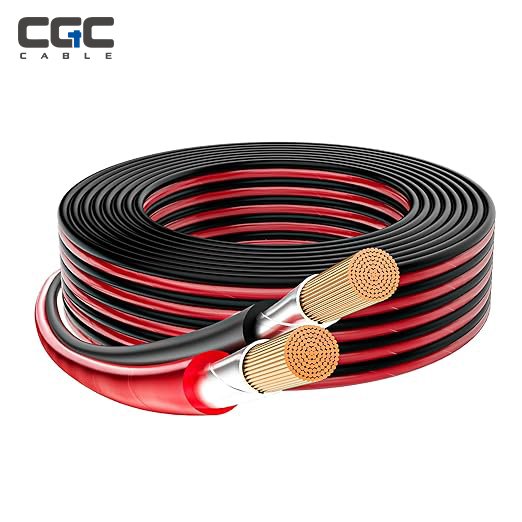
22AWG Low-Voltage Wire: When Thinner Wire Is the Right Choice
Thicker is not always better. For low-power runs, 22AWG is often the smarter, neater choice.💡 What 22AWG is good for: Low-voltage, low-...
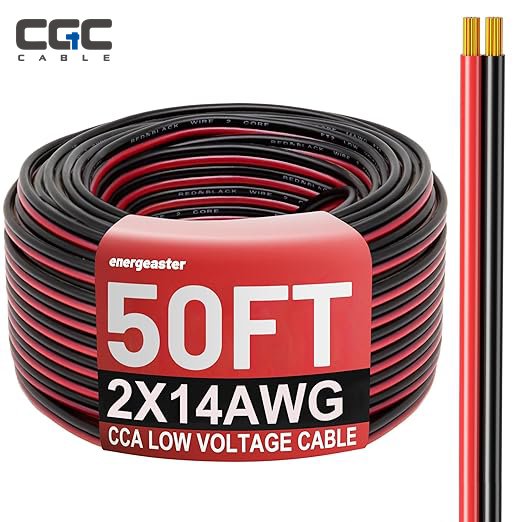
14AWG Speaker Wire: When You Actually Need the Thick Stuff
14AWG is the thick end of speaker wire. You do not always need it — but when you do, nothing thinner will do.📏 What 14AWG is for: Subwo...
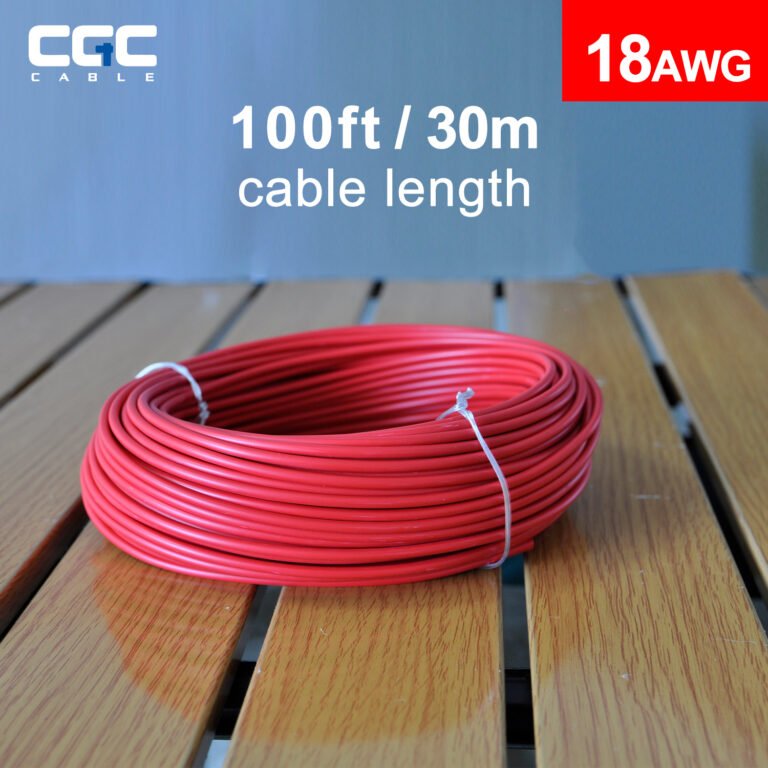
Single-Conductor Black Wire 18AWG: The Ground Half of Your Circuit
Every circuit needs a return path. If you bought red wire for the positive side, you need black for the ground.⚫ What single-conductor ...
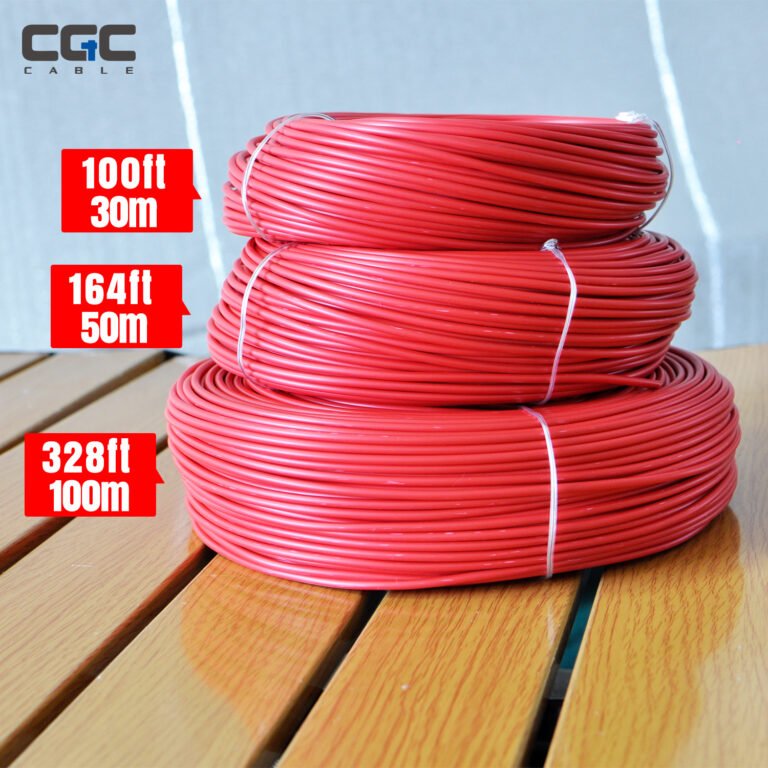
Single-Conductor Red Wire 18AWG: When You Only Need One Color
Most low-voltage wire comes as a red/black pair. But sometimes you need a single color — and buying a paired cable means wasting half o...
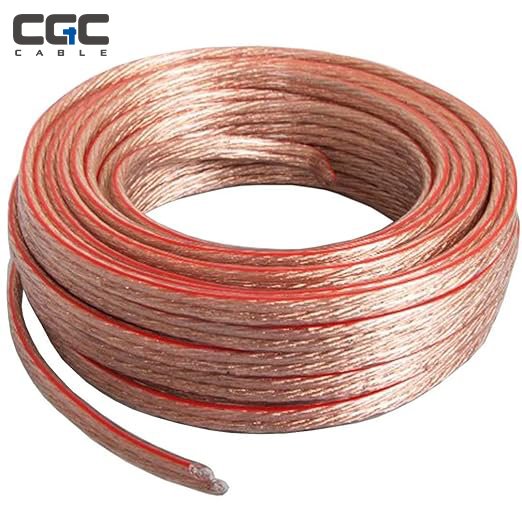
Transparent Speaker Wire: Why You Can See Through Good Cable
Speaker wire with a clear jacket looks different for a reason — and it is not just for show.🔍 Why transparent: A clear jacket lets you ...
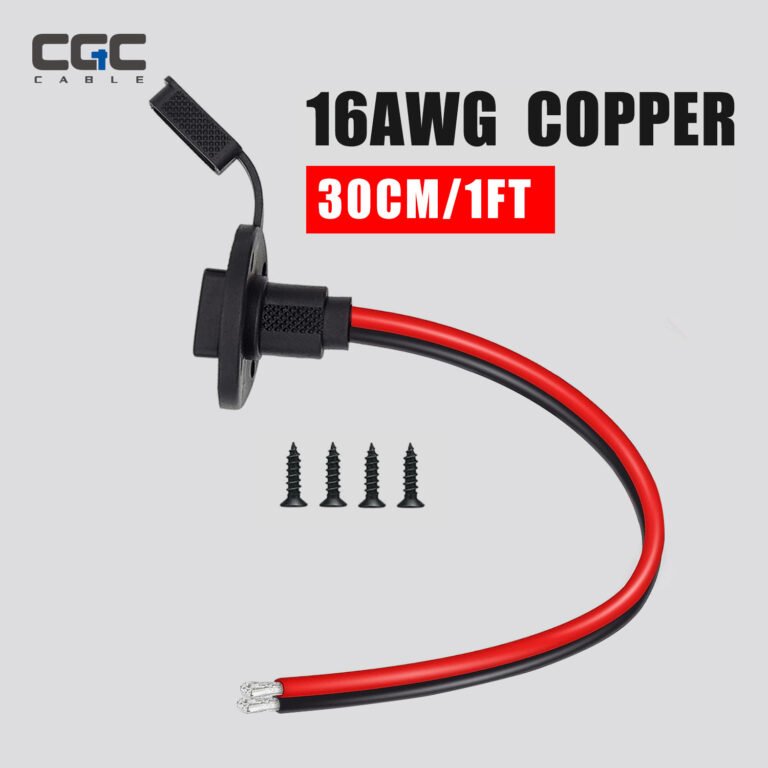
Short SAE Sidewall Port (30cm): A Compact Flush-Mount 12V Point
Sometimes you need a flush-mount SAE port, but the standard long-lead version is overkill. A 30cm short-lead port fits tight spaces.🔌 W...

SAE Extension Cable: Extending a 12V Connection the Right Way
An SAE extension is the simplest SAE product — a male on one end, a female on the other — and also the one where polarity mistakes happ...

SAE Y-Splitter 2-to-1: Combining or Splitting 12V Accessories
Two SAE devices, one battery lead — or one device fed from two sources. A 2-to-1 splitter covers both, with the same caveat as any spli...

SAE Polarity Reverse Adapter: Understanding the SAE Polarity Trap
SAE connectors have a polarity trap that catches even experienced installers. Here is how it works and how to avoid it.⚠️ The trap: SAE...

Fused SAE Cable with O-Ring: The Right Way to Connect to a Battery
Connecting an SAE accessory directly to a battery without a fuse is asking for trouble. A fused cable is the correct approach.🔋 What th...