


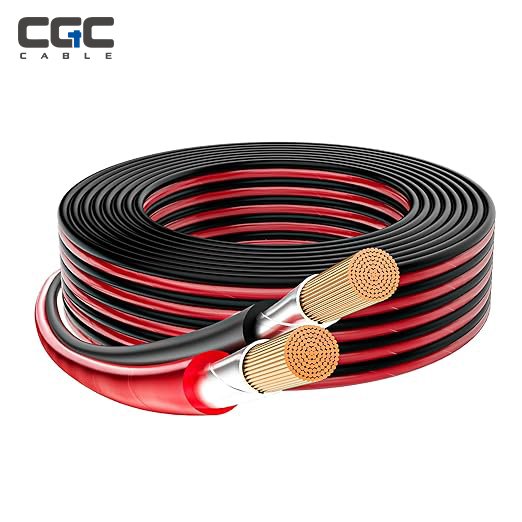
| Thicker is not always better. For low-power runs, 22AWG is often the smarter, neater choice. 💡 What 22AWG is good for: Low-voltage, low-current applications — LED lights, remote-control wiring, automotive speakers, home-improvement signal lines. At 12-30V DC with currents under about 2A, 22AWG carries the load with negligible voltage drop over short-to-medium runs. 📏 Why you would choose thinner wire: It is easier to route through tight channels, behind baseboards, and inside fixtures. It tucks where 14AWG will not fit. For a string of LEDs drawing half an amp, 14AWG is simply overkill — extra cost, extra stiffness, no benefit. 🎨 Red and black bicolor: Both conductors come in one jacket (zip-cord style), so one pull gives you positive and negative. You can split them apart at the ends for clean terminal connections. The color coding eliminates polarity confusion. 🔍 CCA and TCCA: copper-clad aluminum and tinned copper-clad aluminum. For low-voltage DC, both perform nearly identically to pure copper. The tinned variant adds better solderability and corrosion resistance. 🛒 Match the gauge to the load, not to “bigger is safer” intuition. 22AWG is correct for signals and low-power LEDs. 🔗 CGCCable has 15m of 22AWG red/black low-voltage wire — a practical choice for LED and low-power projects. 👉 立即购买:https://cgccable.com/product/home-theater-speaker-wire-31808 #CGCCable #speakerwire #hometheater #audioinstall #DIYaudio #CCA |
相关文章
22AWG Low-Voltage Wire: When Thinner Wire Is the Right Choice
Thicker is not always better. For low-power runs, 22AWG is often the smarter, neater choice.💡 What 22AWG is good for: Low-voltage, low-...
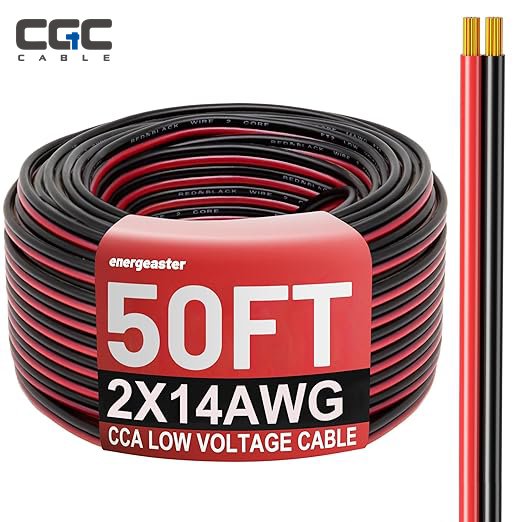
14AWG 音箱线:当你真正需要粗线的时候
14AWG 是扬声器线中最粗的一端。你并非总是需要它——但当你需要它时,再细的线也无济于事。📏 14AWG 的用途:低音炮…….
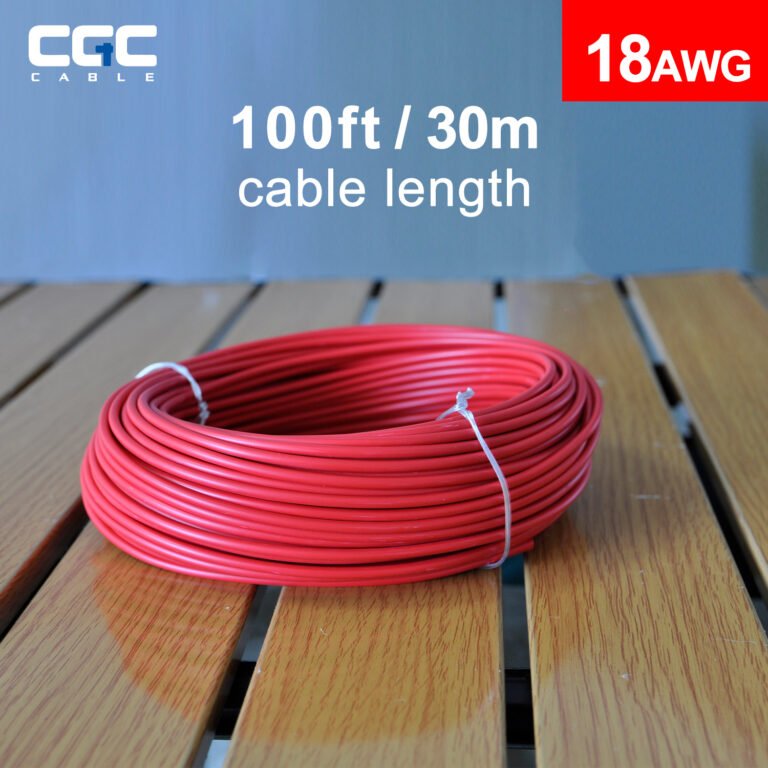
单芯黑色导线 18AWG:电路的接地部分
每个电路都需要一个回路。如果你用红线连接正极,那么你需要用黑线连接地线。⚫ 单芯导线…….
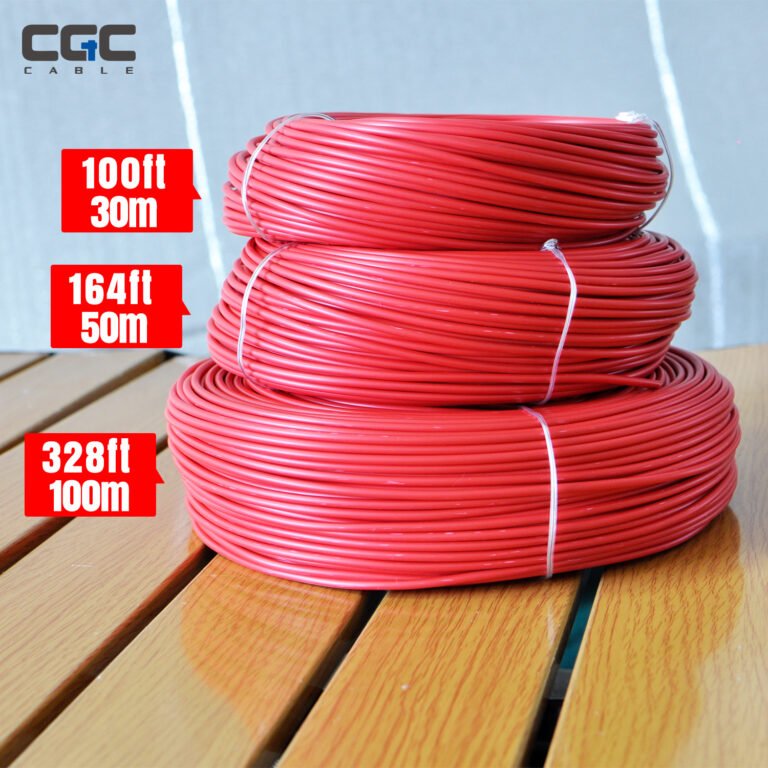
单芯红色电线 18AWG:当您只需要一种颜色时
大多数低压电线都是红黑双色线。但有时你只需要一种颜色——而购买成对的电线意味着浪费一半的线材…….
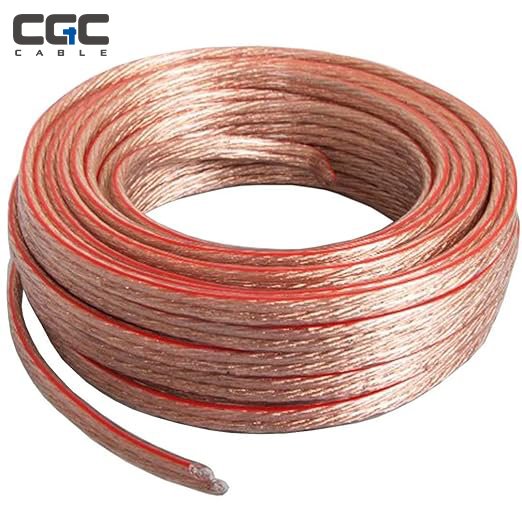
透明音箱线:为什么你能透过优质线缆看到东西
透明外皮的音箱线看起来与众不同是有原因的——而且不仅仅是为了美观。🔍 为什么是透明的:透明外皮可以让您…….
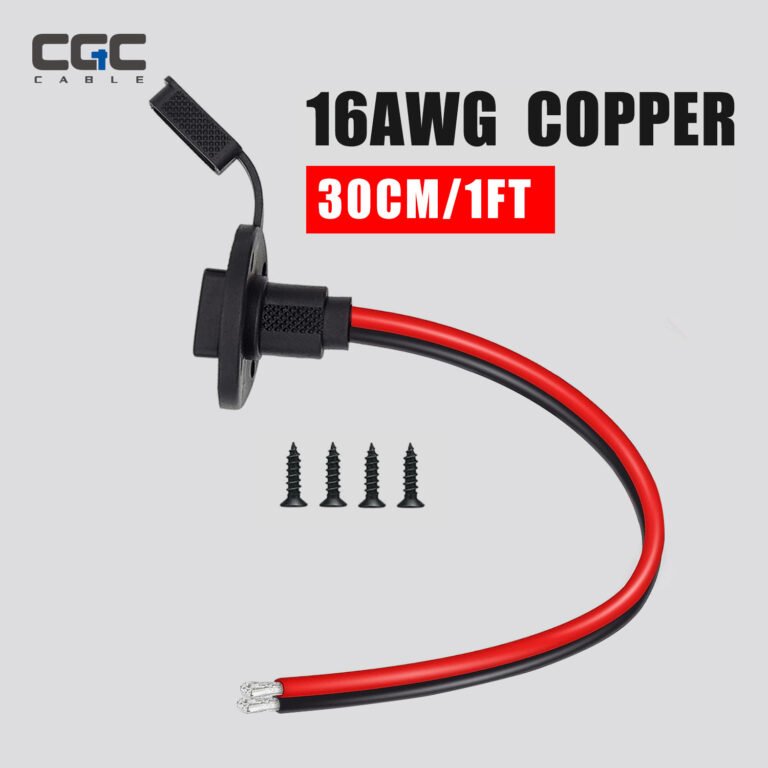
短款 SAE 侧壁接口(30 厘米):紧凑型嵌入式 12V 电源接口
有时你需要一个嵌入式 SAE 接口,但标准的长线版本就显得过大了。30 厘米的短线接口则更适合狭小的空间。🔌 W...

SAE延长线:正确延长12V连接
SAE延长线是最简单的SAE产品——一端是公头,另一端是母头——但也是最容易接错极性的那种…….

SAE Y型二合一分线器:合并或分流12V配件
两个 SAE 设备,一根电池线——或者一个设备由两个电源供电。一个 2 合 1 的分线器可以满足这两种需求,但需要注意的是,任何分线器都存在同样的问题…….
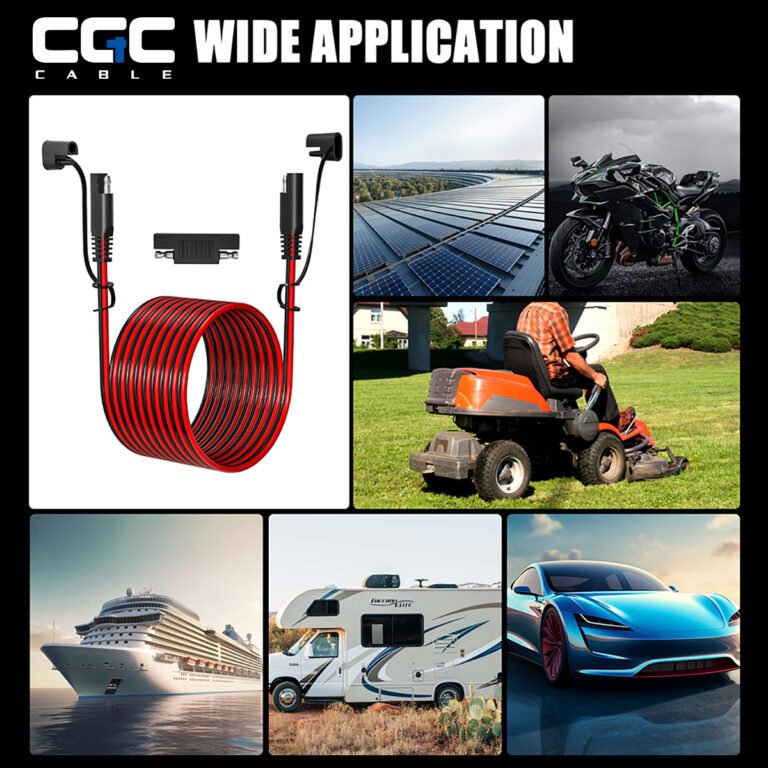
SAE极性反转适配器:了解SAE极性陷阱
SAE 连接器存在极性陷阱,即使是经验丰富的安装人员也容易犯错。以下是其工作原理以及如何避免。⚠️ 陷阱:SAE...

带O型圈的熔接式SAE电缆:连接电池的正确方法
将 SAE 配件直接连接到电池上而不使用保险丝是自找麻烦。使用带保险丝的电缆才是正确的做法。🔋 什么...
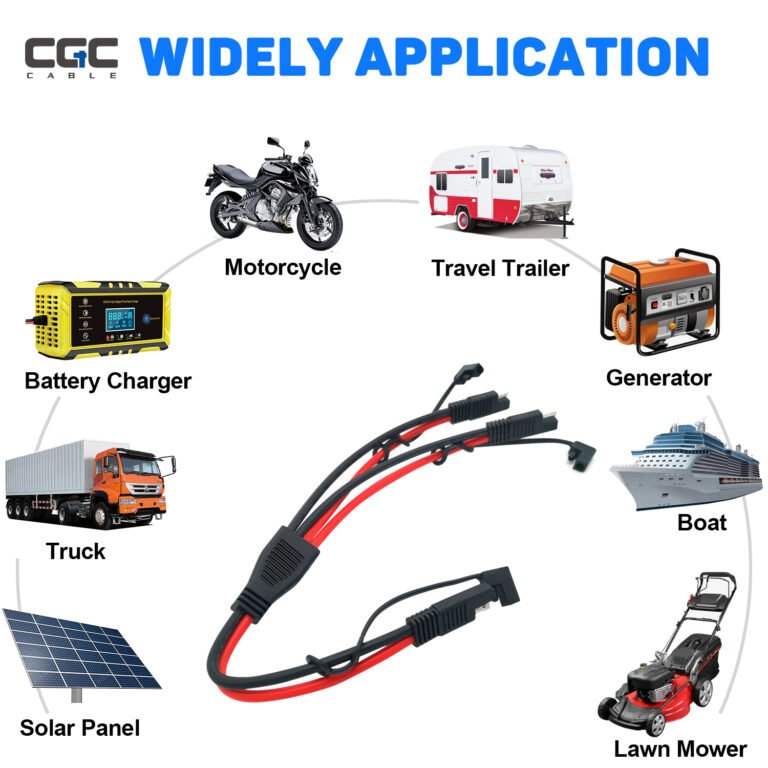
SAE Y型分线器(1分2):使用一个SAE电源为两台设备供电
一个 SAE 电源,需要为两台设备供电。一个 1 分 2 的 Y 型分线器就能解决这个问题——但有一个重要的注意事项。🔌 分线器的作用:它…….
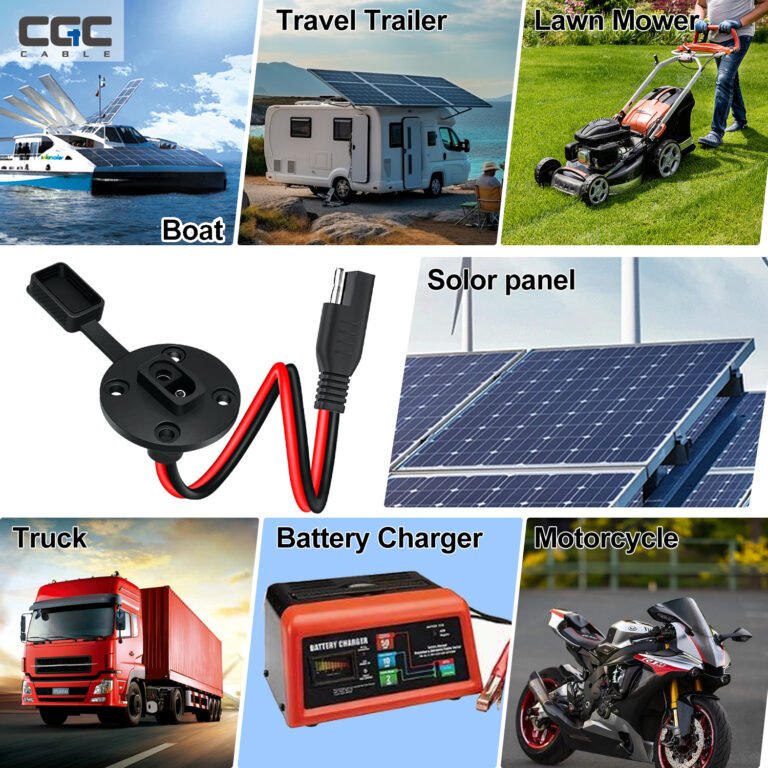
嵌入式 SAE 侧壁接口:一个简洁的 12V 连接点
一根悬空的 SAE 电缆虽然实用,但并不美观。而嵌入式侧壁接口则能将其变成一个内置功能。🔌 侧壁接口的作用:…….