


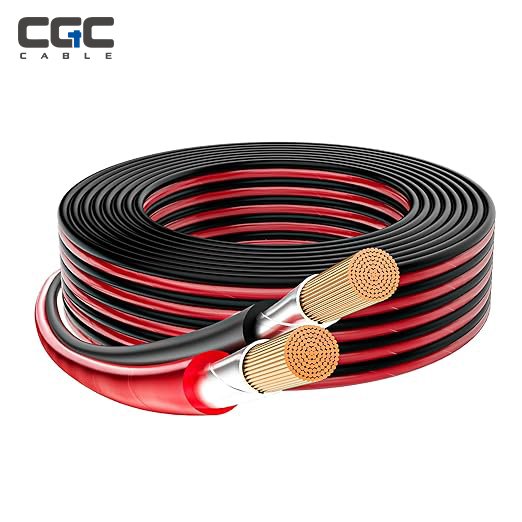
| Thicker is not always better. For low-power runs, 22AWG is often the smarter, neater choice. 💡 What 22AWG is good for: Low-voltage, low-current applications — LED lights, remote-control wiring, automotive speakers, home-improvement signal lines. At 12-30V DC with currents under about 2A, 22AWG carries the load with negligible voltage drop over short-to-medium runs. 📏 Why you would choose thinner wire: It is easier to route through tight channels, behind baseboards, and inside fixtures. It tucks where 14AWG will not fit. For a string of LEDs drawing half an amp, 14AWG is simply overkill — extra cost, extra stiffness, no benefit. 🎨 Red and black bicolor: Both conductors come in one jacket (zip-cord style), so one pull gives you positive and negative. You can split them apart at the ends for clean terminal connections. The color coding eliminates polarity confusion. 🔍 CCA and TCCA: copper-clad aluminum and tinned copper-clad aluminum. For low-voltage DC, both perform nearly identically to pure copper. The tinned variant adds better solderability and corrosion resistance. 🛒 Match the gauge to the load, not to “bigger is safer” intuition. 22AWG is correct for signals and low-power LEDs. 🔗 CGCCable has 15m of 22AWG red/black low-voltage wire — a practical choice for LED and low-power projects. 👉 BUY NOW:https://cgccable.com/product/home-theater-speaker-wire-31808 #CGCCable #speakerwire #hometheater #audioinstall #DIYaudio #CCA |
Related posts
22AWG Low-Voltage Wire: When Thinner Wire Is the Right Choice
Thicker is not always better. For low-power runs, 22AWG is often the smarter, neater choice.💡 What 22AWG is good for: Low-voltage, low-...
14AWG Speaker Wire: When You Actually Need the Thick Stuff
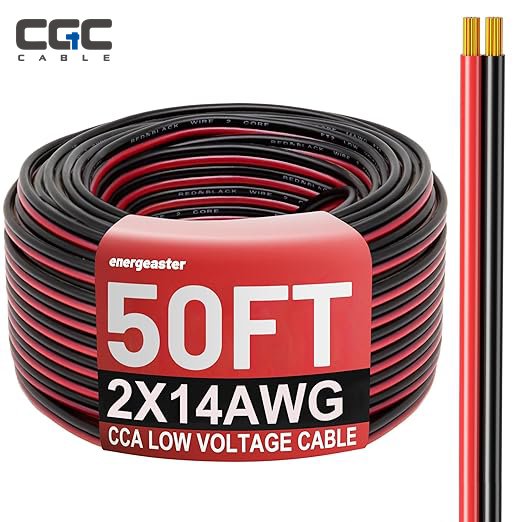
14AWG is the thick end of speaker wire. You do not always need it — but when you do, nothing thinner will do.📏 What 14AWG is for: Subwo...
Single-Conductor Black Wire 18AWG: The Ground Half of Your Circuit
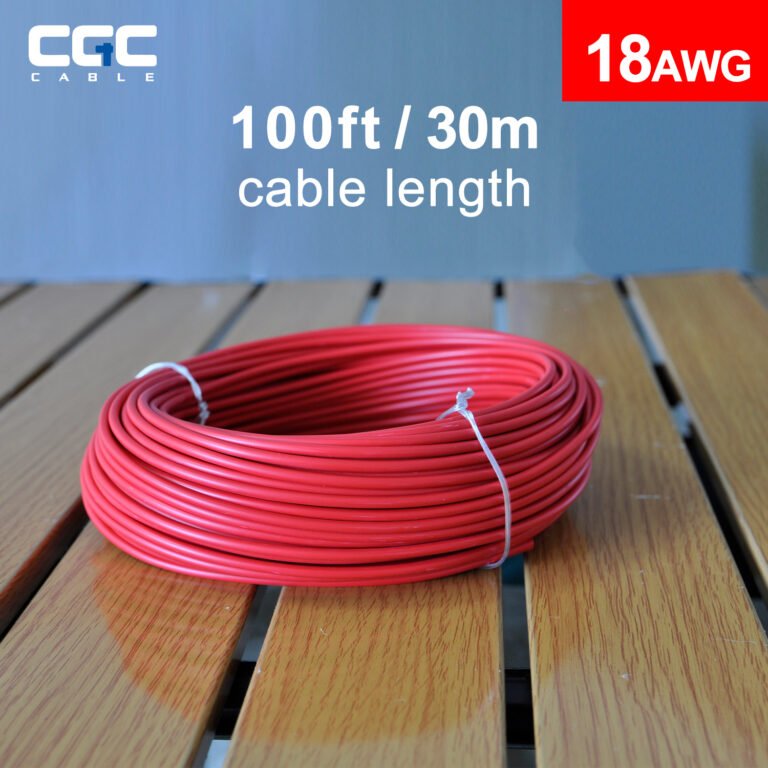
Every circuit needs a return path. If you bought red wire for the positive side, you need black for the ground.⚫ What single-conductor ...
Single-Conductor Red Wire 18AWG: When You Only Need One Color
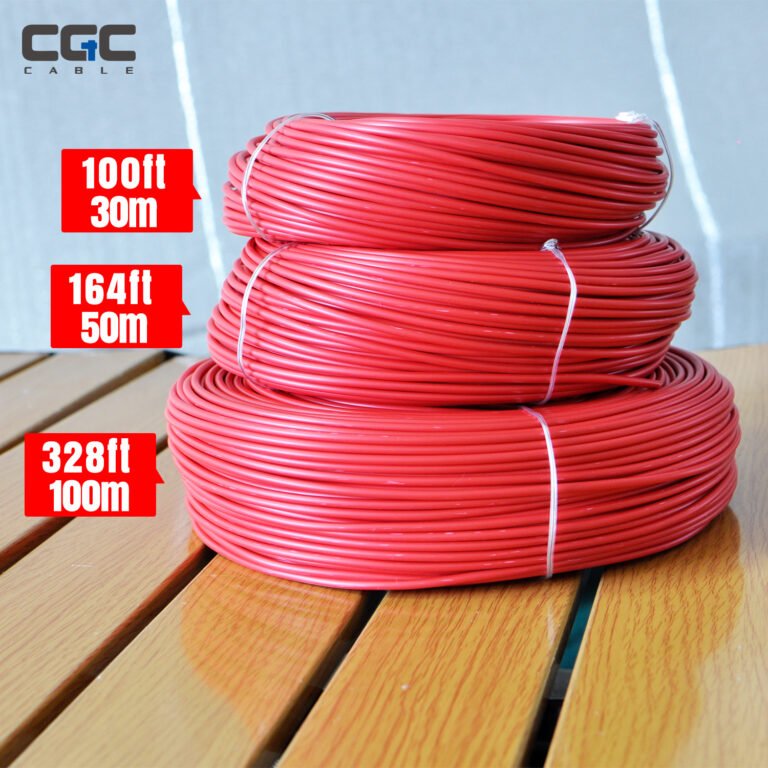
Most low-voltage wire comes as a red/black pair. But sometimes you need a single color — and buying a paired cable means wasting half o...
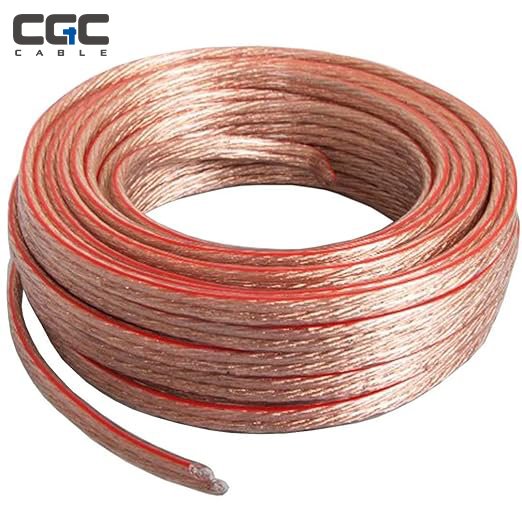
Transparent Speaker Wire: Why You Can See Through Good Cable
Speaker wire with a clear jacket looks different for a reason — and it is not just for show.🔍 Why transparent: A clear jacket lets you ...
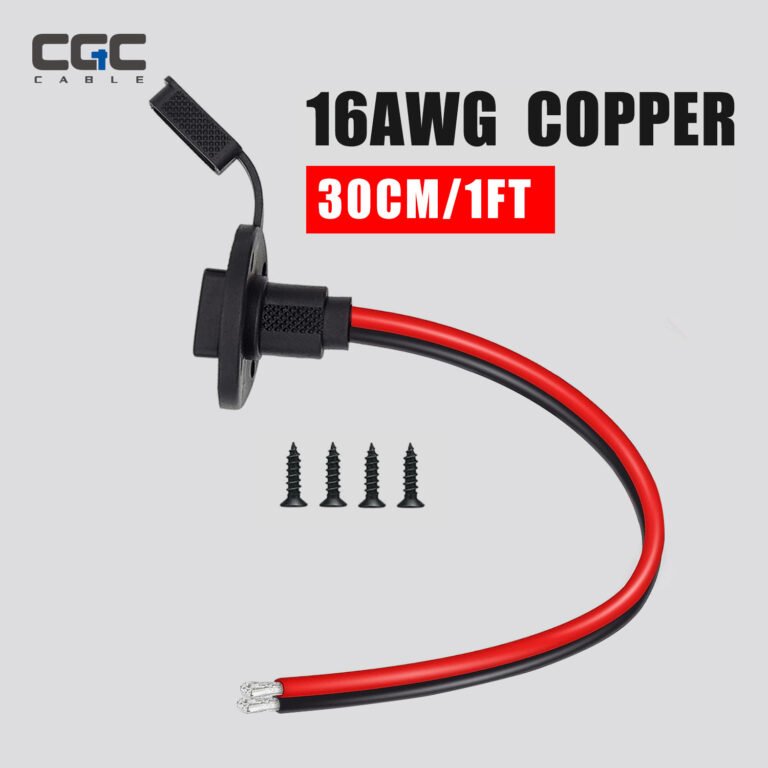
Short SAE Sidewall Port (30cm): A Compact Flush-Mount 12V Point
Sometimes you need a flush-mount SAE port, but the standard long-lead version is overkill. A 30cm short-lead port fits tight spaces.🔌 W...

SAE Extension Cable: Extending a 12V Connection the Right Way
An SAE extension is the simplest SAE product — a male on one end, a female on the other — and also the one where polarity mistakes happ...

SAE Y-Splitter 2-to-1: Combining or Splitting 12V Accessories
Two SAE devices, one battery lead — or one device fed from two sources. A 2-to-1 splitter covers both, with the same caveat as any spli...

SAE Polarity Reverse Adapter: Understanding the SAE Polarity Trap
SAE connectors have a polarity trap that catches even experienced installers. Here is how it works and how to avoid it.⚠️ The trap: SAE...

Fused SAE Cable with O-Ring: The Right Way to Connect to a Battery
Connecting an SAE accessory directly to a battery without a fuse is asking for trouble. A fused cable is the correct approach.🔋 What th...

SAE Y-Splitter 1-to-2: Powering Two Devices from One SAE Source
One SAE power source, two devices to feed. A 1-to-2 Y-splitter is the answer — with one important caveat.🔌 What the splitter does: It t...

Flush-Mount SAE Sidewall Port: A Clean 12V Connection Point
A dangling SAE cable is functional but ugly. A flush-mount sidewall port turns it into a built-in feature.🔌 What a sidewall port does: ...