


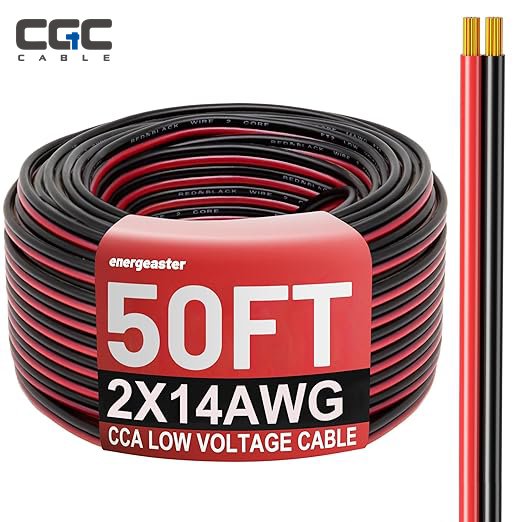
| 14AWG is the thick end of speaker wire. You do not always need it — but when you do, nothing thinner will do. 📏 What 14AWG is for: Subwoofers (where resistance hurts bass damping), long runs over 15-20 meters, and high-power setups pushing 100W+ per channel. At 14AWG over a 30m run, the voltage loss at typical listening levels is negligible — thinner wire would audibly sap the low end. 🔍 The resistance math: Lower AWG = thicker wire = less resistance per foot. For a standard 8-ohm speaker, 14AWG over 30m loses well under 0.5dB. The same run in 18AWG loses more, and it shows first in the bass, where the amplifier’s control over the woofer weakens. 🎨 Red and black bicolor in one jacket: one pull for both conductors, split apart at the ends. The standard for home theater and car audio installs. ⚠️ The note on this listing is important: it is speaker wire, not power cable. It is not rated for mains or high-current power distribution — use it for audio signals and low-voltage DC, not for wiring an outlet. 🛒 If your run is long, your speakers are large, or you value headroom, 14AWG is the right call. For short runs to bookshelf speakers, 16AWG is plenty. 🔗 CGCCable has 30m of 14AWG red/black speaker wire — the gauge for long runs and subwoofers. 👉 BUY NOW:https://cgccable.com/product/home-theater-speaker-wire-31886 #CGCCable #speakerwire #hometheater #audioinstall #DIYaudio #CCA |
Related posts
14AWG Speaker Wire: When You Actually Need the Thick Stuff
14AWG is the thick end of speaker wire. You do not always need it — but when you do, nothing thinner will do.📏 What 14AWG is for: Subwo...
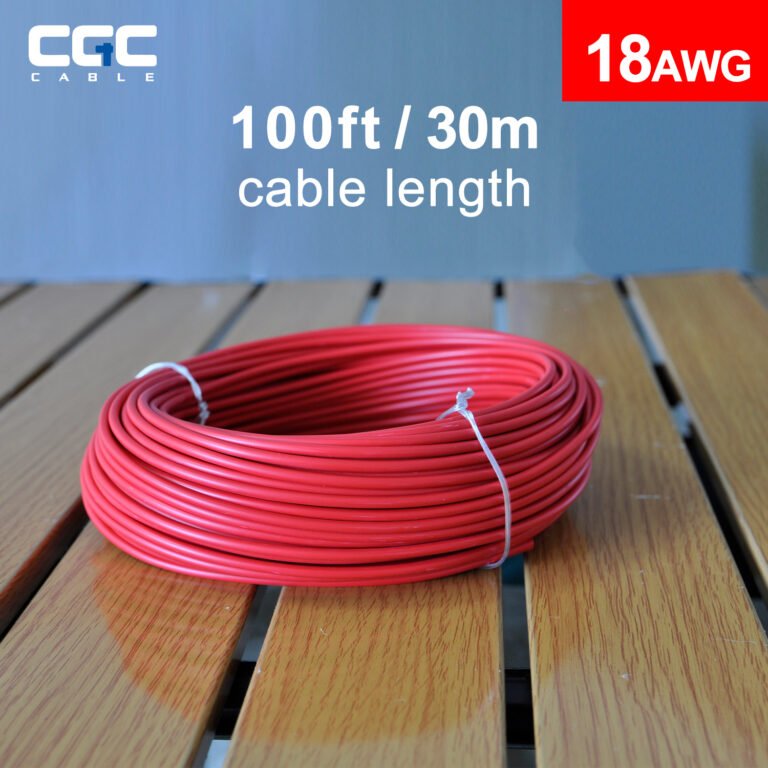
Single-Conductor Black Wire 18AWG: The Ground Half of Your Circuit
Every circuit needs a return path. If you bought red wire for the positive side, you need black for the ground.⚫ What single-conductor ...
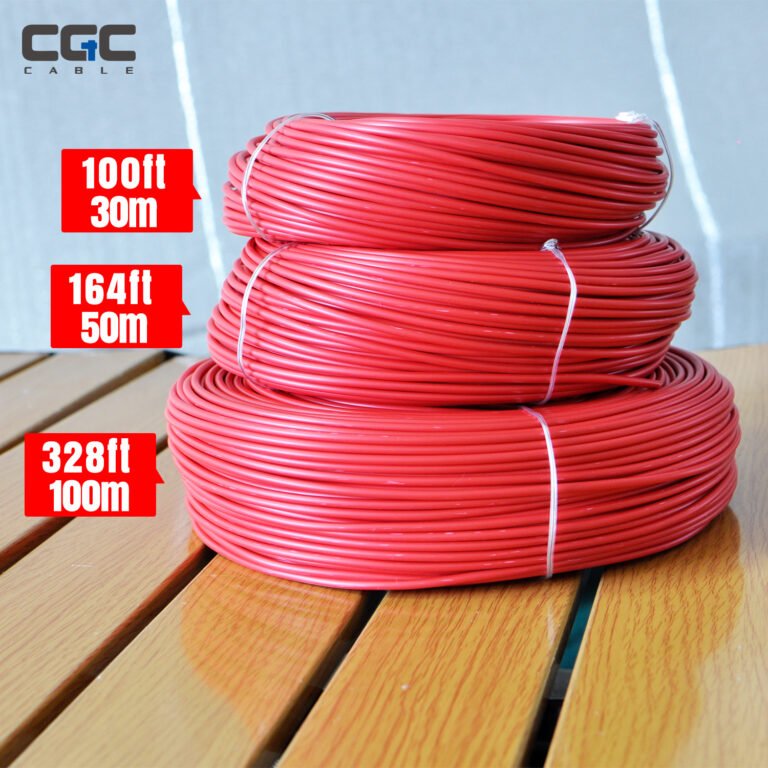
Single-Conductor Red Wire 18AWG: When You Only Need One Color
Most low-voltage wire comes as a red/black pair. But sometimes you need a single color — and buying a paired cable means wasting half o...
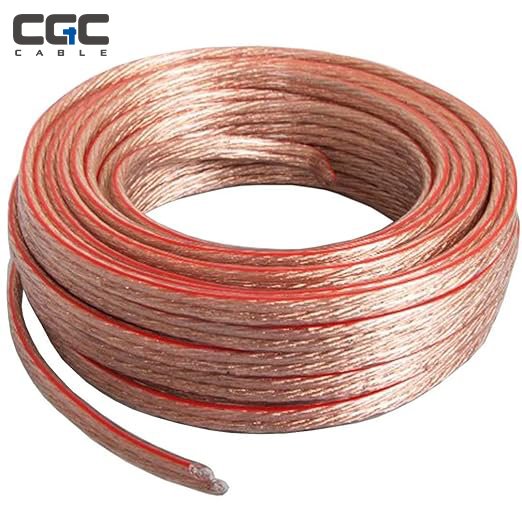
Transparent Speaker Wire: Why You Can See Through Good Cable
Speaker wire with a clear jacket looks different for a reason — and it is not just for show.🔍 Why transparent: A clear jacket lets you ...
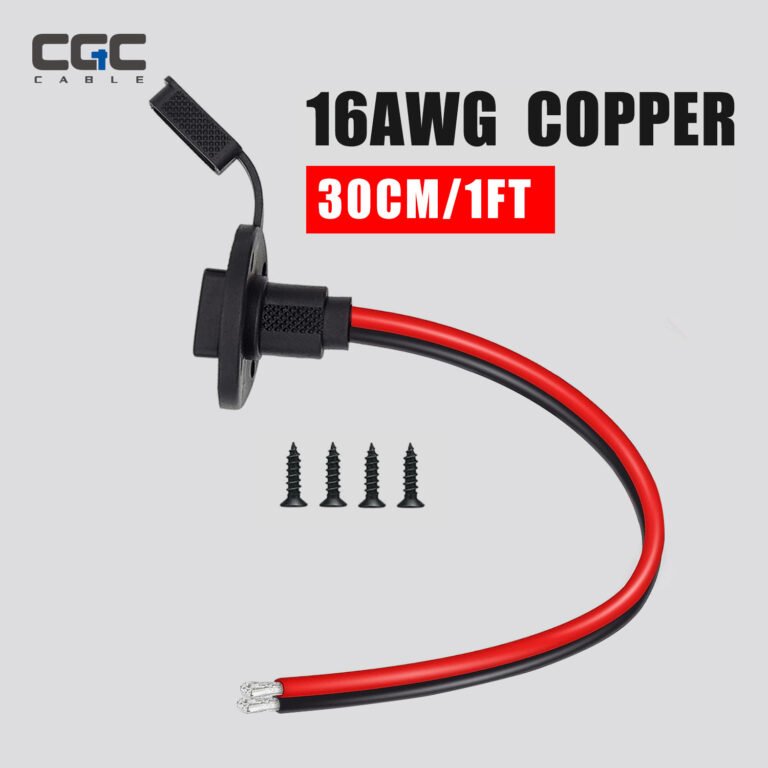
Short SAE Sidewall Port (30cm): A Compact Flush-Mount 12V Point
Sometimes you need a flush-mount SAE port, but the standard long-lead version is overkill. A 30cm short-lead port fits tight spaces.🔌 W...

SAE Extension Cable: Extending a 12V Connection the Right Way
An SAE extension is the simplest SAE product — a male on one end, a female on the other — and also the one where polarity mistakes happ...

SAE Y-Splitter 2-to-1: Combining or Splitting 12V Accessories
Two SAE devices, one battery lead — or one device fed from two sources. A 2-to-1 splitter covers both, with the same caveat as any spli...

SAE Polarity Reverse Adapter: Understanding the SAE Polarity Trap
SAE connectors have a polarity trap that catches even experienced installers. Here is how it works and how to avoid it.⚠️ The trap: SAE...

Fused SAE Cable with O-Ring: The Right Way to Connect to a Battery
Connecting an SAE accessory directly to a battery without a fuse is asking for trouble. A fused cable is the correct approach.🔋 What th...
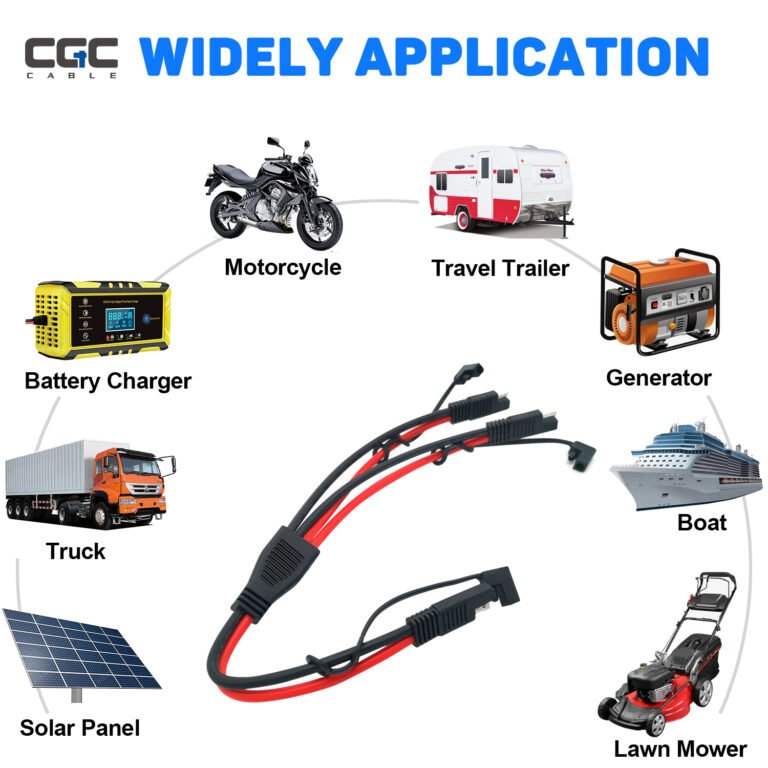
SAE Y-Splitter 1-to-2: Powering Two Devices from One SAE Source
One SAE power source, two devices to feed. A 1-to-2 Y-splitter is the answer — with one important caveat.🔌 What the splitter does: It t...

Flush-Mount SAE Sidewall Port: A Clean 12V Connection Point
A dangling SAE cable is functional but ugly. A flush-mount sidewall port turns it into a built-in feature.🔌 What a sidewall port does: ...
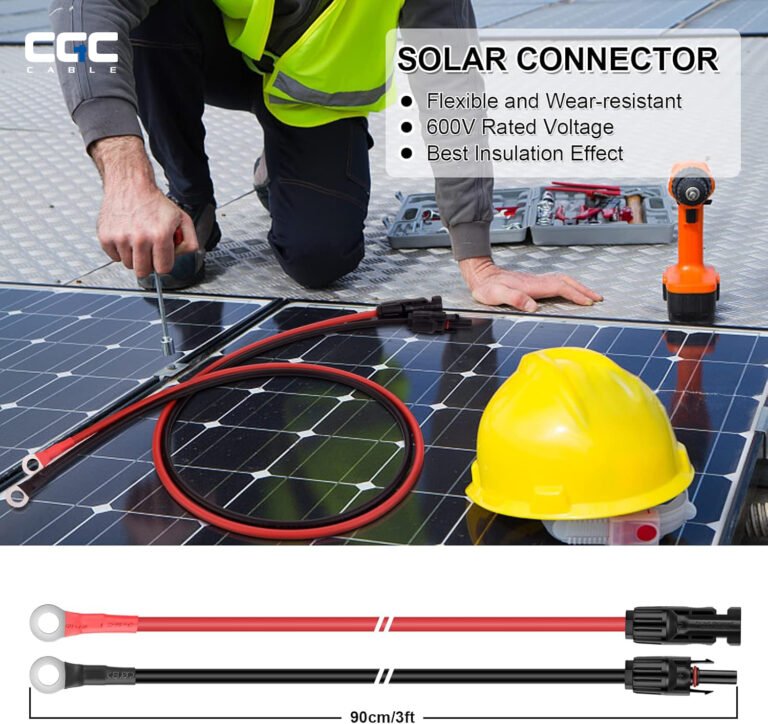
Solar Cable to O-Ring Connector: The Direct-to-Battery Link Explained
Most solar cables end in MC4 connectors for panels. But the other end often needs a very different termination: an O-ring.🔌 What an O-r...