


| Battery terminals are the most neglected part of a car’s electrical system — and the top cause of “my car won’t start” that is not actually a dead battery. 🔋 The corrosion problem: Lead battery posts oxidize on contact with air. The white or blue-green crust is lead sulfate — an electrical insulator. Your starter draws 150A during cranking; even a thin corrosion layer adds enough resistance to starve it. 🧪 The prevention routine: Wire-brush the post and the inside of the clamp until shiny, tighten the clamp snugly (not gorilla-tight), then coat the connection with dielectric grease or petroleum jelly. This seals out the moisture and oxygen corrosion needs. One application lasts years. 🔍 What to look for when buying: The clamp must fit your battery’s post type (most cars use standard SAE tapered posts; some imports use JIS — they are different sizes). The wire entry must accept your cable gauge. Anti-corrosion plating or coating is a genuine plus. 🛒 Replacing old, corroded terminals is a 15-minute job that prevents the most common no-start morning. Four pieces covers both posts with spares. 🔗 CGCCable has 4-piece anti-corrosion battery terminal clamps — the proactive fix for reliable cold starts. 👉 BUY NOW:https://cgccable.com/product/battery-terminal-connector-33198 #CGCCable #batteryterminal #autorepair #carmaintenance #12V #autoelectrical |
Related posts
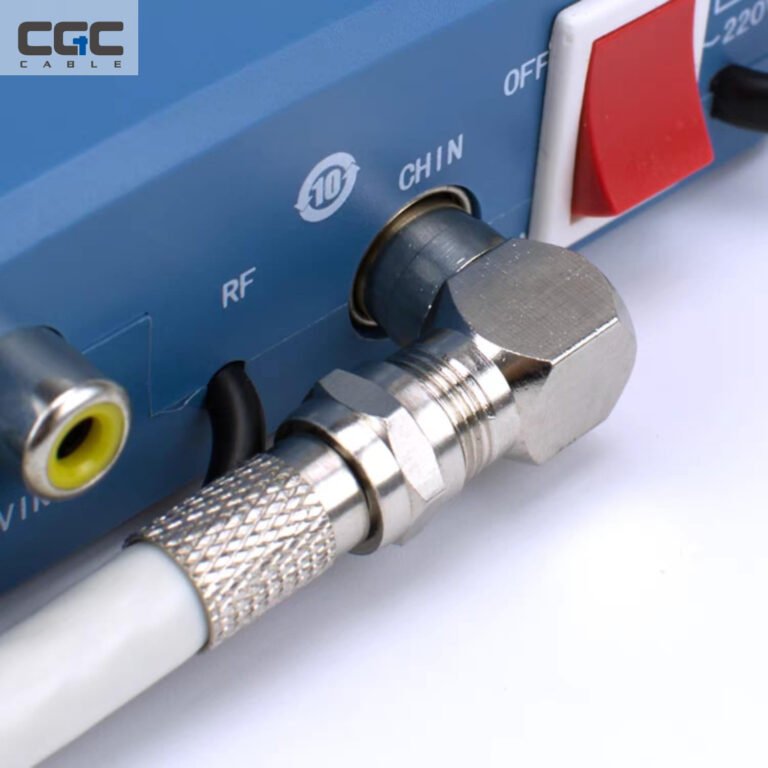
Right-Angle F-Type Adapter: Solving the Wall-Mount TV Cable Problem
A straight coax cable behind a wall-mounted TV gets crushed. A right-angle adapter fixes it.📐 The problem: F-type connectors stick stra...
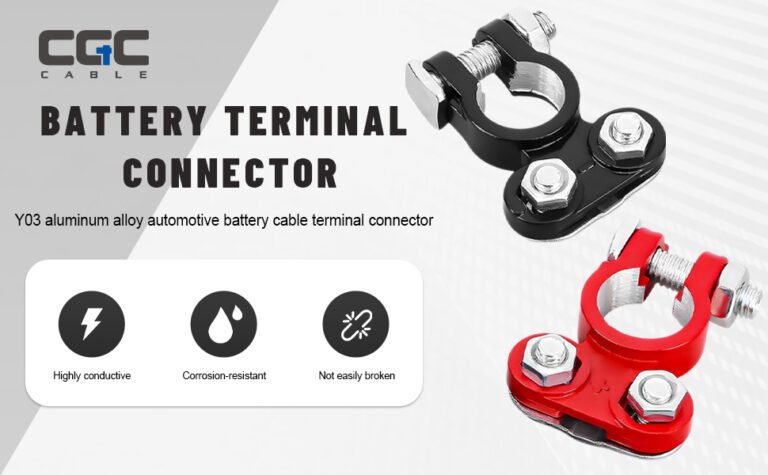
Battery Terminal Connectors: Fixing the ‘Car Won’t Start’ Culprit
Battery terminals are the most neglected part of a car's electrical system — and the top cause of "my car won't start" that is not actu...

Ethernet Couplers: When They Work — and When They Cause Problems
An Ethernet coupler is a female-to-female adapter that joins two cables. It seems too simple to cause trouble, but it can.📡 What a coup...

Bulk Cat5 Ethernet Cable: Solid Core, Custom Lengths, and the CCA Caveat
Bulk Ethernet cable without connectors seems inconvenient — until you need a 12-foot run and only have a 25-foot cable.🌐 Why bulk cable...

22AWG Low-Voltage Wire: When Thinner Wire Is the Right Choice
Thicker is not always better. For low-power runs, 22AWG is often the smarter, neater choice.💡 What 22AWG is good for: Low-voltage, low-...

14AWG Speaker Wire: When You Actually Need the Thick Stuff
14AWG is the thick end of speaker wire. You do not always need it — but when you do, nothing thinner will do.📏 What 14AWG is for: Subwo...

Single-Conductor Black Wire 18AWG: The Ground Half of Your Circuit
Every circuit needs a return path. If you bought red wire for the positive side, you need black for the ground.⚫ What single-conductor ...

Single-Conductor Red Wire 18AWG: When You Only Need One Color
Most low-voltage wire comes as a red/black pair. But sometimes you need a single color — and buying a paired cable means wasting half o...

Transparent Speaker Wire: Why You Can See Through Good Cable
Speaker wire with a clear jacket looks different for a reason — and it is not just for show.🔍 Why transparent: A clear jacket lets you ...

Short SAE Sidewall Port (30cm): A Compact Flush-Mount 12V Point
Sometimes you need a flush-mount SAE port, but the standard long-lead version is overkill. A 30cm short-lead port fits tight spaces.🔌 W...

SAE Extension Cable: Extending a 12V Connection the Right Way
An SAE extension is the simplest SAE product — a male on one end, a female on the other — and also the one where polarity mistakes happ...

SAE Y-Splitter 2-to-1: Combining or Splitting 12V Accessories
Two SAE devices, one battery lead — or one device fed from two sources. A 2-to-1 splitter covers both, with the same caveat as any spli...